Federal Fleet Electrification Assessment
By 2025, 40 percent of all non-Postal Service federal fleet vehicles and 97 percent of U.S. Postal Service (USPS) vehicles can be replaced with electric vehicles (EV) at a ...

By 2025, 40 percent of all non-Postal Service federal fleet vehicles and 97 percent of U.S. Postal Service (USPS) vehicles can be replaced with electric vehicles (EV) at a ...
The first three months of 2021 saw early actions from the Biden Administration and strong commitments to transportation electrification made by automakers, utilities, and other key players in the ...
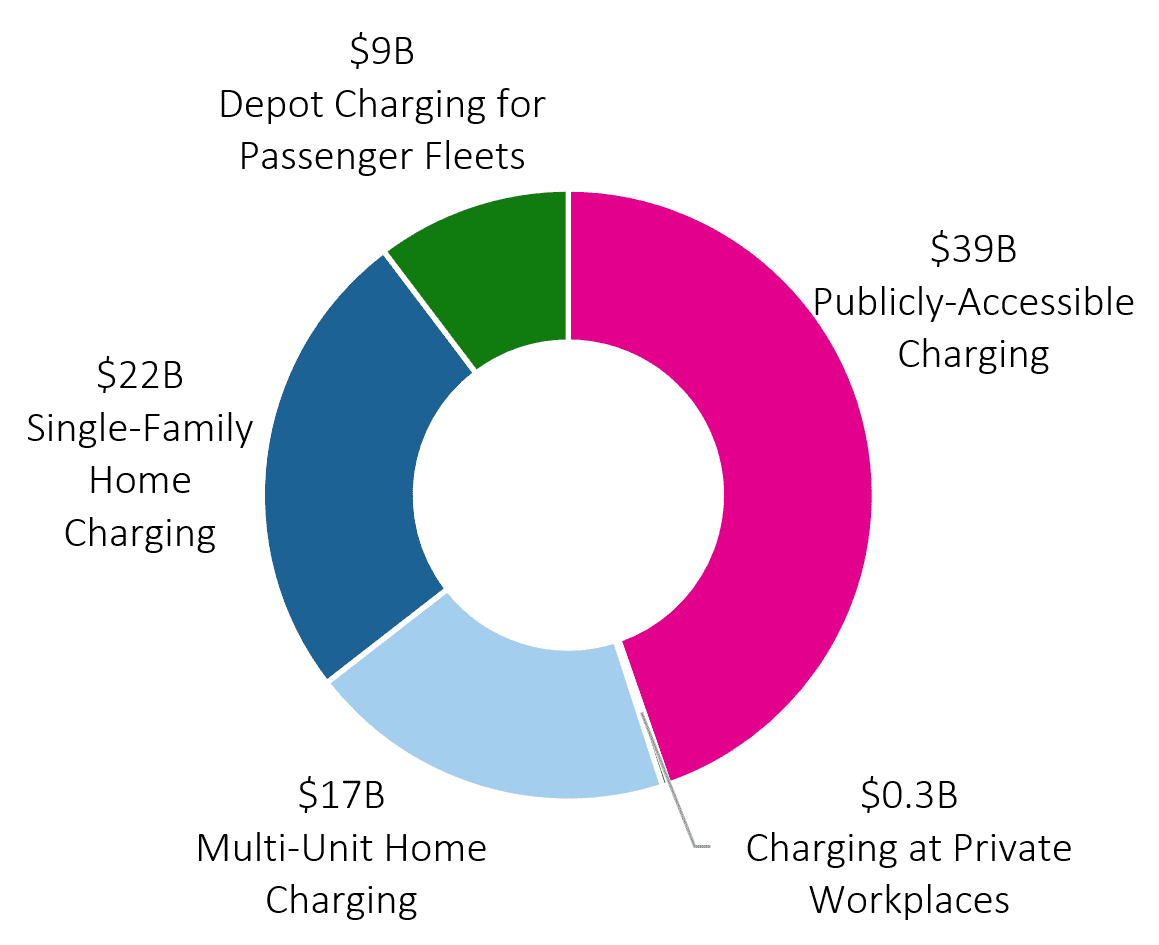
Atlas Public Policy research shows that to achieve 100 percent passenger electric vehicle sales by 2035 and put the nation on the path to full electrification, over $87 billion ...
COVID-19 and the severe 2020 wildfire season have had an extreme impact on economic, health, and social justice challenges in the United States. Americans continue to contract the virus ...
Since 2012, utility commissions across the country have approved more than $2.6 billion in transportation electrification investments. $1.2 billion, almost half of the all-time total, was approved in 2020 ...
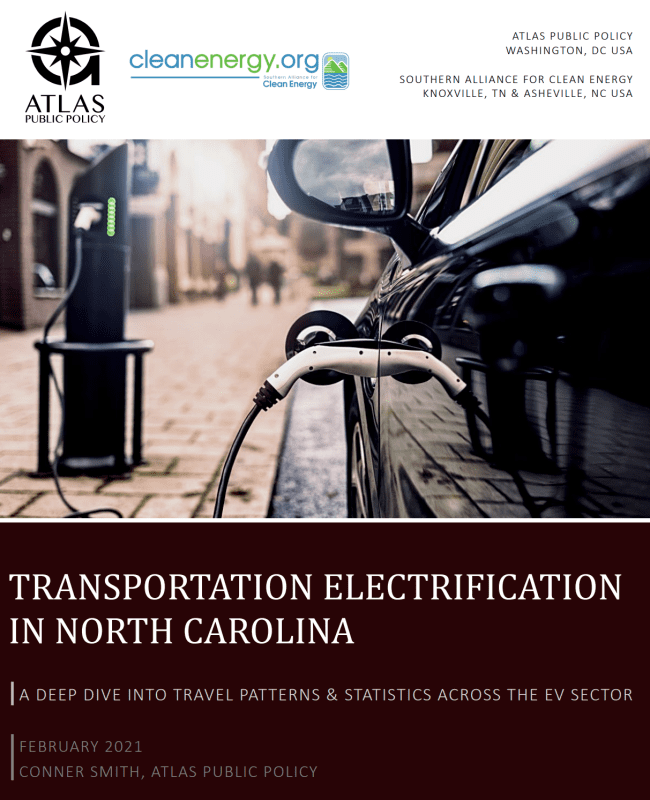
Increased EV adoption across all vehicle classes is critical if North Carolina is to meet its transportation electrification and climate goals. On-road vehicles are the leading source of greenhouse ...
The U.S. Department of Energy reports that more than 80 percent of electric vehicle charging occurs at home. Approximately 30 percent of U.S. households are multi-family dwellings such as ...
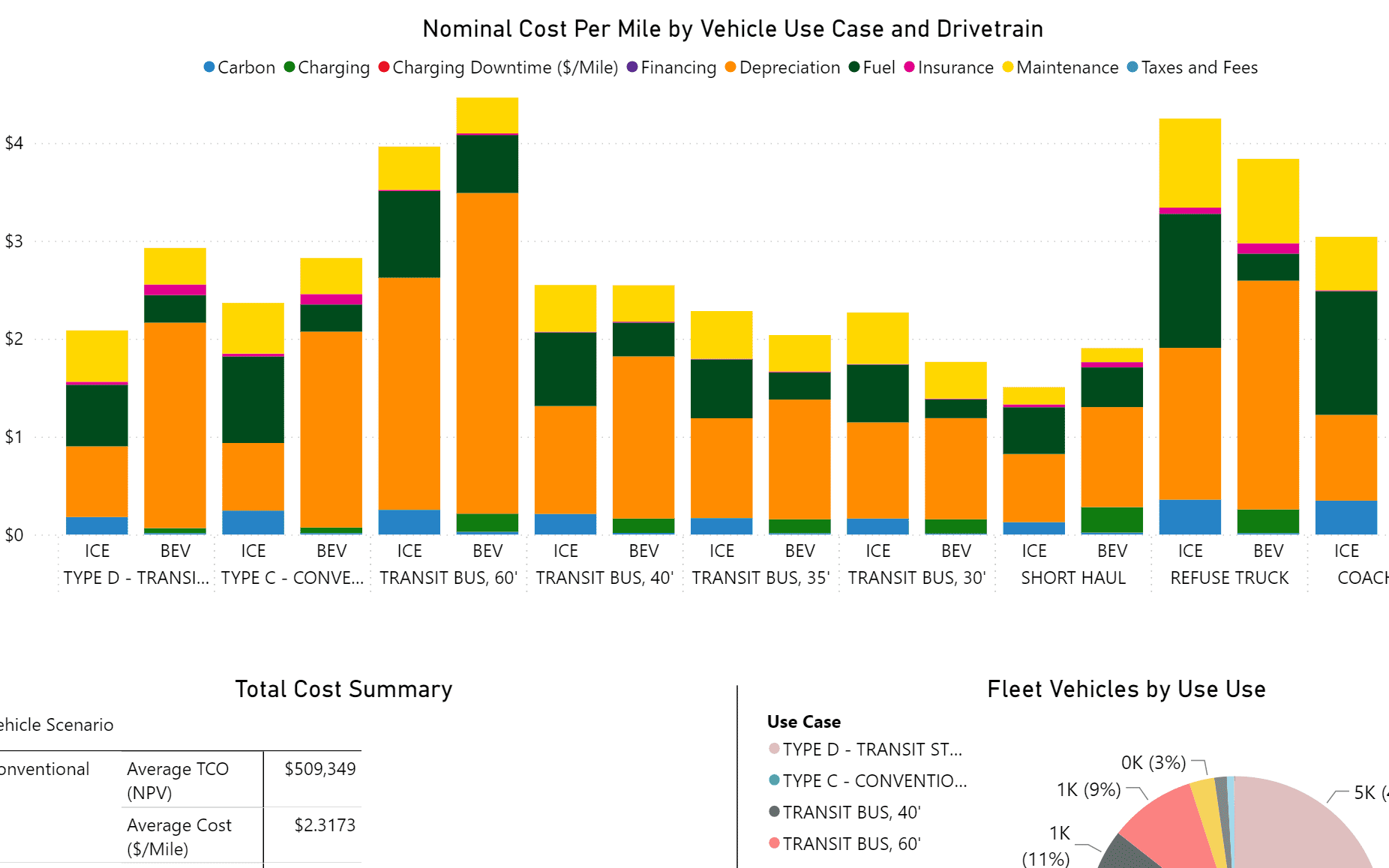
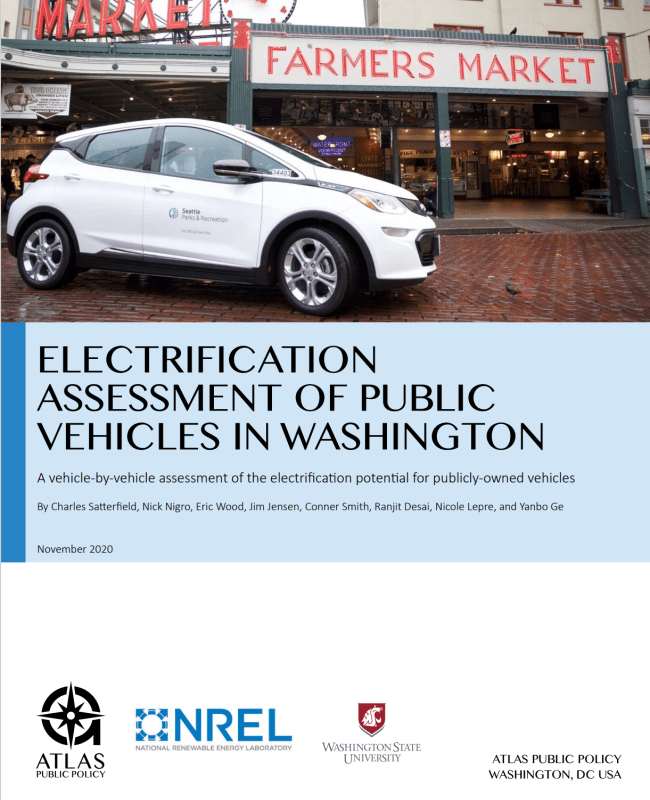
As part of Atlas’s 2020 study for the Washington State Legislature Joint Transportation Committee on public vehicle electrification, our project team completed a detailed vehicle-by-vehicle analysis on the total cost ...
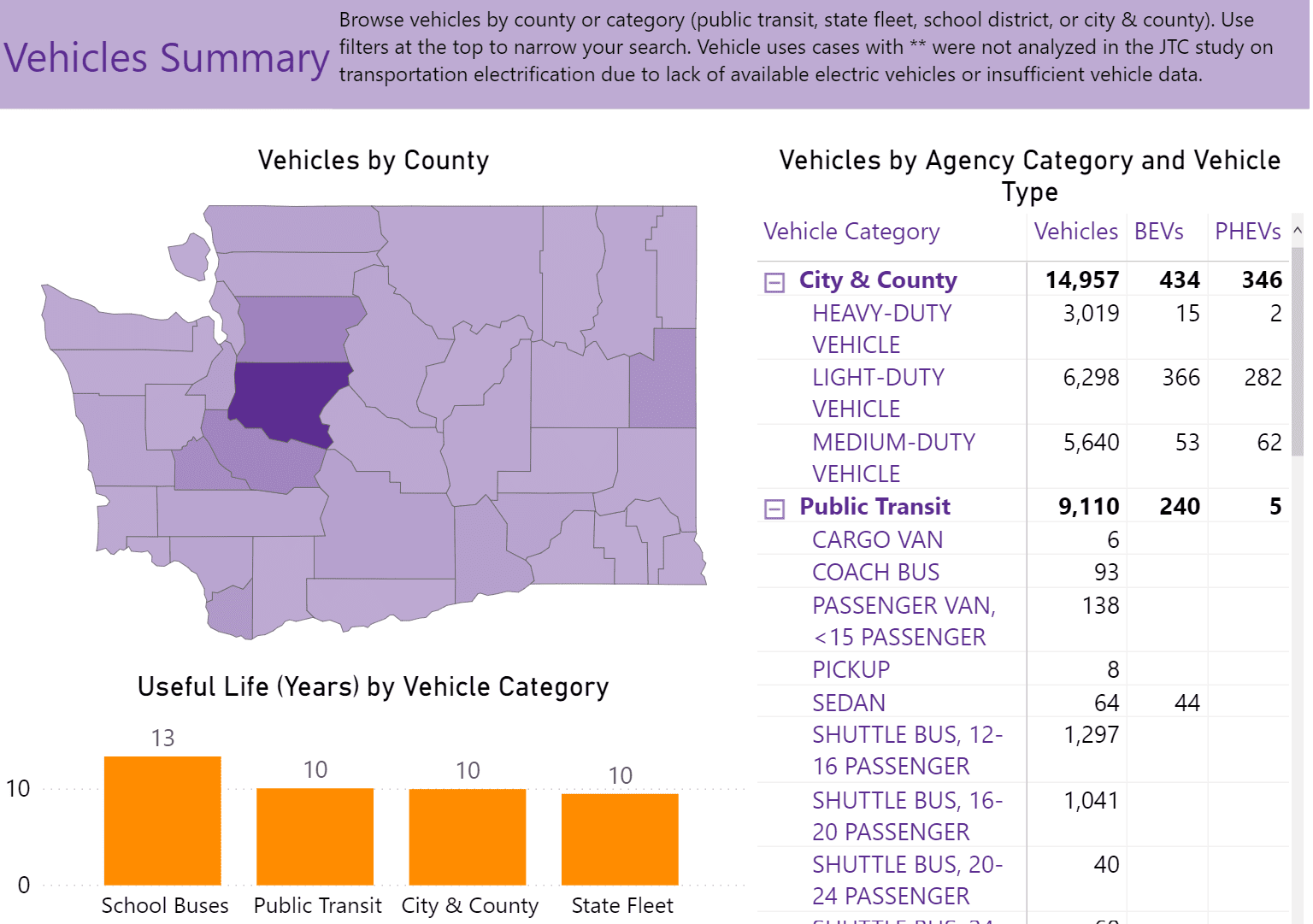
As part of Atlas's 2020 study for the Washington State Legislature Joint Transportation Committee on public vehicle electrification, our project team compiled an inventory of all public vehicles on ...
Washington state is positioned to cost effectively electrify nearly all public vehicle procurements by the year 2035. With near-term policy action and targeted investments in infrastructure, the state can ...